In line with efforts to reduce vaccine-preventable diseases and strengthen community-level health systems, CIWED Ghana was awarded a sub-grant by the Ghana Coalition of NGOs in Health (GCNH) under the GAVI CDS3 initiative. The project aims to enhance advocacy and awareness on immunization for childr
In line with efforts to reduce vaccine-preventable diseases and strengthen community-level health systems, CIWED Ghana was awarded a sub-grant by the Ghana Coalition of NGOs in Health (GCNH) under the GAVI CDS3 initiative. The project aims to enhance advocacy and awareness on immunization for children under five, while improving data collection and tracking through the effective use of community registers. CIWED Ghana intervention specifically targets the Nanton District in the Northern Region of Ghana, an area that continues to face challenges with immunization coverage due to various social and logistical barriers.
2. Objective of the Activity
The specific objective of the activity conducted was to build the capacity of selected community volunteers to:
Lead advocacy and awareness campaigns to promote the immunization of children under five.
Facilitate the use of community registers to systematically collect data on caregivers and children under five, to support local health systems in planning and follow-ups.
Serve as key mobilizers and trusted information sources within their communities to counter myths and misconceptions about vaccines.
3. Activity Description
Selection of Volunteers
CIWED Ghana, in collaboration with local health authorities and community leaders, identified and selected 10 volunteers from strategically chosen communities across the Nanton District. The selection process ensured that volunteers were respected members of their communities with a demonstrated interest in health promotion.
Capacity Building Training
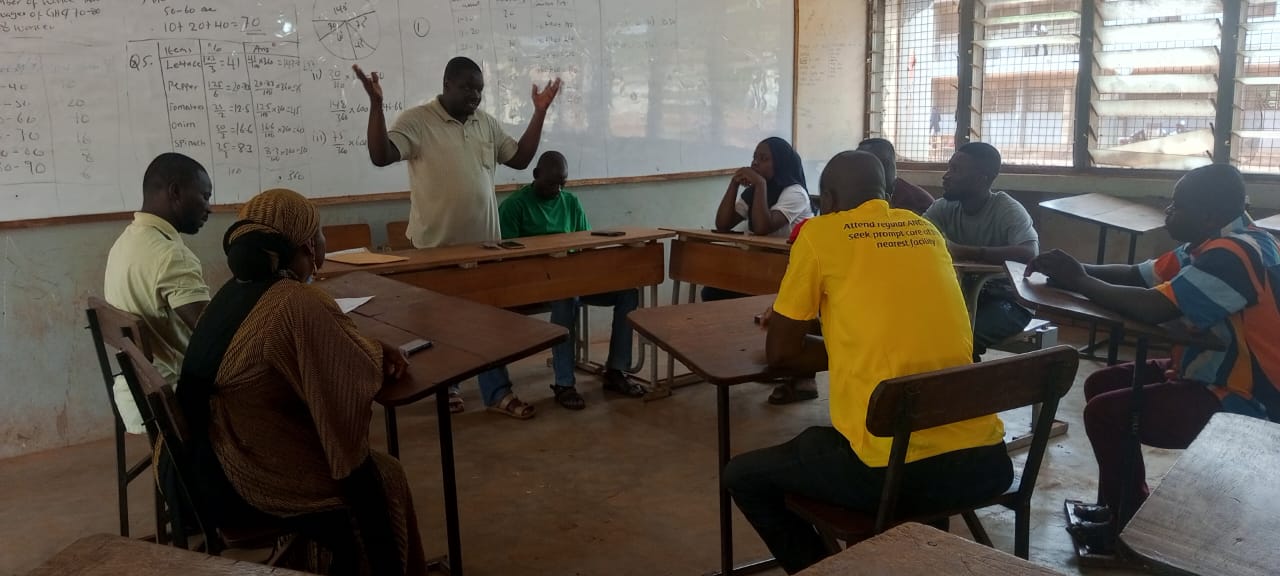
A comprehensive training workshop was organized at the Nanton District to take the volunteers through a number area, this include;
Understanding Immunization: Importance of vaccines, national immunization schedules, and key messages to promote uptake.
Advocacy and Social Mobilization Skills: Techniques for community engagement, effective communication, addressing vaccine hesitancy, and working with opinion leaders.
Use of Community Registers: Practical sessions on how to fill community registers accurately, identify defaulters, and report data to local health facilities.
Role Clarification: Responsibilities of volunteers in supporting routine immunization, outreach, and follow-up.
Data Privacy and Ethics: Handling community health data with confidentiality and respect.
The session was facilitated by CIWED Ghana’s project team, Disease control officer from Nanton Health Directorate (GHS), and experienced community health volunteers who shared practical field experiences.
Each volunteer was provided with a toolkit comprising of printed community registers.
4. Immediate Outcomes
1. Improved Knowledge & Skills: All 10 volunteers demonstrated increased knowledge of immunization benefits and practical skills in using community registers, assessed through pre- and post-training evaluations.
2. Strengthened Community Network: Volunteers established linkages with local Community Health Officers (CHOs) for coordinated follow-ups.
3. Increased Motivation: Volunteers expressed high enthusiasm to start sensitization activities and support defaulter tracing.
5. Next Steps
Volunteers have commenced household visits to educate caregivers on the importance of timely vaccination.
They are actively registering children under five and collecting data to support local health facilities.
CIWED Ghana will conduct a quarterly supervisory visits and refresher meetings to provide ongoing technical support and monitor progress.
The successful training of the 10 community volunteers marks a critical step toward achieving the objectives of the GAVI CDS3 project in Nanton District. By equipping local volunteers with the necessary skills and tools, CIWED Ghana is fostering community ownership and strengthening grassroots systems that will contribute to improved immunization coverage and ultimately better health outcomes for children under five.
Project details
- Status: Completed
- Location: Nanton District
- Started: Jun 2025
Gallery